Kiyomi Cook is a Japanese-American chef, restaurateur, and cookbook author. She is known for her work with Japanese cuisine, and for promoting the use of local and seasonal ingredients.
Cook was born in Tokyo, Japan, and moved to the United States with her family when she was four years old. She began her culinary career in the early 1990s, and has since opened several restaurants in the San Francisco Bay Area. Cook's restaurants have been praised for their innovative and flavorful dishes, and she has been featured in numerous publications, including the New York Times, the Wall Street Journal, and Food & Wine magazine.
Cook is also a vocal advocate for sustainable agriculture, and she has worked with several organizations to promote the use of local and seasonal ingredients. She is the author of several cookbooks, including "The Japanese Table" and "Kiyomi: Japanese Home Cooking."
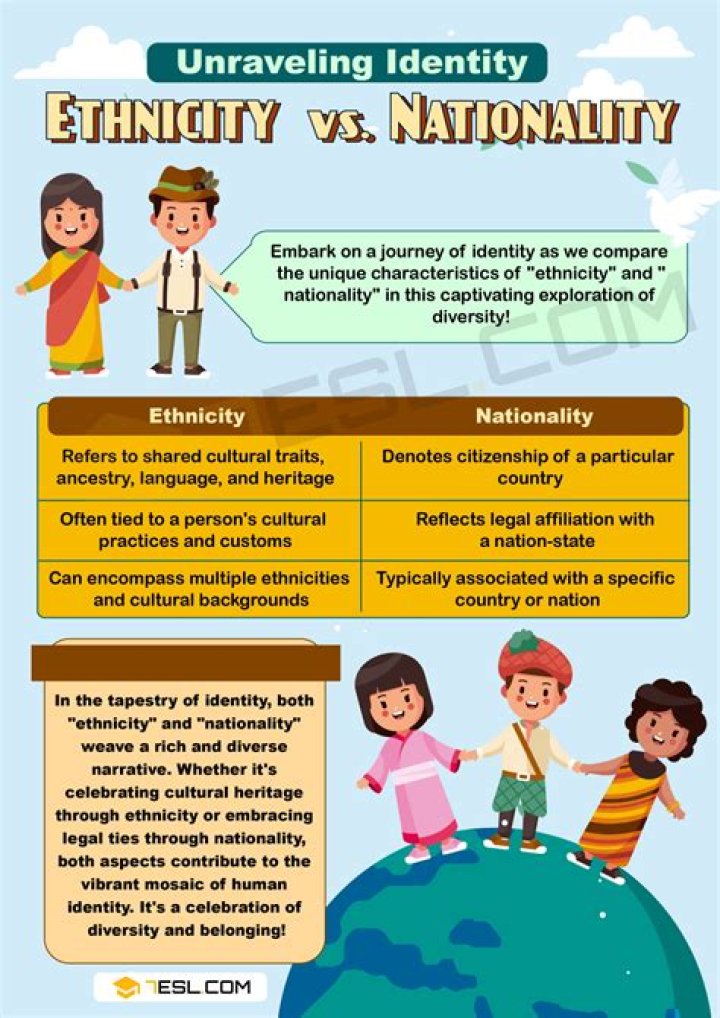
kiyomi cook nationality
Kiyomi Cook's nationality is an important aspect of her identity and her cuisine. As a Japanese-American chef, she brings together the culinary traditions of both cultures to create unique and innovative dishes.
- Japanese heritage
- American upbringing
- Cross-cultural cuisine
- Local and seasonal ingredients
- Sustainable agriculture
- Culinary innovation
- Cultural exchange
- Global recognition
Kiyomi Cook's Japanese heritage is evident in her use of traditional Japanese ingredients and techniques. However, she also incorporates American ingredients and flavors into her dishes, creating a unique fusion cuisine. Cook is also a strong advocate for sustainable agriculture, and she uses local and seasonal ingredients whenever possible. Her commitment to sustainability has earned her recognition from both the culinary world and the environmental community.
Kiyomi Cook's nationality has played a major role in her success as a chef. Her ability to blend the culinary traditions of Japan and America has created a unique and innovative cuisine that has won her critical acclaim and a loyal following. Cook is also a role model for other Japanese-American chefs, and her work has helped to break down cultural barriers in the culinary world.
Japanese heritage
Kiyomi Cook's Japanese heritage is an essential component of her nationality. She was born in Tokyo, Japan, and moved to the United States with her family when she was four years old. Her early experiences in Japan have had a profound influence on her cooking, and she credits her Japanese heritage for her love of fresh, seasonal ingredients and her commitment to sustainability.
Cook's Japanese heritage is evident in many aspects of her cuisine. She uses traditional Japanese ingredients and techniques, such as dashi, miso, and soy sauce. However, she also incorporates American ingredients and flavors into her dishes, creating a unique fusion cuisine that is both familiar and exciting.
Cook's commitment to sustainability is also rooted in her Japanese heritage. In Japan, there is a strong emphasis on using local and seasonal ingredients. Cook believes that this is the best way to create delicious and healthy dishes. She also works with local farmers and fishermen to ensure that she is getting the highest quality ingredients possible.
Kiyomi Cook's Japanese heritage is a source of pride for her, and it is an important part of her identity as a chef. Her cuisine is a reflection of her heritage, and it is a testament to the rich culinary traditions of Japan.
American upbringing
Kiyomi Cook's American upbringing has played a significant role in shaping her nationality. She moved to the United States with her family when she was four years old, and she has lived in the US ever since. Her American upbringing has influenced her in many ways, including her:
- Culinary influences
Cook's American upbringing has exposed her to a wide variety of culinary influences. She has incorporated many American ingredients and flavors into her cooking, creating a unique fusion cuisine that is both familiar and exciting. - Cultural identity
Cook's American upbringing has also influenced her cultural identity. She identifies as both Japanese and American, and her cuisine reflects this dual heritage. She is proud of her Japanese heritage, but she also embraces her American upbringing. - Values
Cook's American upbringing has instilled in her certain values, such as individualism and self-reliance. These values are reflected in her cooking, which is often creative and innovative. - Education
Cook's American upbringing has given her access to a world-class education. She attended the Culinary Institute of America, and she has worked with some of the best chefs in the world. This education has helped her to develop her skills and knowledge as a chef.
Kiyomi Cook's American upbringing has had a profound impact on her nationality. It has shaped her culinary style, her cultural identity, her values, and her education. Cook is a unique and talented chef, and her American upbringing has played a major role in her success.
Cross-cultural cuisine
Cross-cultural cuisine is a fusion of culinary traditions and ingredients from different cultures. It can be created by immigrants who bring their native cuisine to their new home, or by chefs who are inspired by the flavors of other cultures. Cross-cultural cuisine can be a way to celebrate diversity and to create new and exciting dishes.
- Culinary exchange
Cross-cultural cuisine is a way to exchange culinary ideas and techniques. When people from different cultures share their food, they can learn from each other and create new dishes that are a blend of both cultures. - Cultural identity
Cross-cultural cuisine can be a way for people to express their cultural identity. When people cook and eat food from other cultures, they are learning about those cultures and appreciating their diversity. - Social cohesion
Cross-cultural cuisine can be a way to bring people together. When people share food, they are creating a social bond and breaking down barriers between cultures. - Economic development
Cross-cultural cuisine can be a way to promote economic development. When people from different cultures share their food, they are creating new markets and opportunities for businesses.
Kiyomi Cook's cuisine is a perfect example of cross-cultural cuisine. She was born in Japan and raised in the United States, and her cooking reflects her dual heritage. She uses traditional Japanese ingredients and techniques, but she also incorporates American ingredients and flavors into her dishes. Cook's cuisine is a celebration of diversity and a testament to the power of cross-cultural exchange.
Local and seasonal ingredients
Local and seasonal ingredients are an essential component of Kiyomi Cook's nationality. As a Japanese-American chef, she is committed to using ingredients that are fresh, sustainable, and reflective of her dual heritage.
Cook's use of local ingredients is rooted in her Japanese heritage. In Japan, there is a strong emphasis on using seasonal ingredients that are at their peak of flavor. Cook believes that this is the best way to create delicious and healthy dishes. She works with local farmers and fishermen to ensure that she is getting the highest quality ingredients possible.
Cook's use of seasonal ingredients is also influenced by her American upbringing. In the United States, there is a growing movement towards eating seasonally. This movement is based on the belief that eating seasonally is better for the environment and for our health. Cook is a strong advocate for this movement, and she believes that eating seasonally is one of the best ways to appreciate the changing seasons.
Cook's commitment to using local and seasonal ingredients is evident in all of her dishes. Her menus change with the seasons, and she always uses the freshest ingredients available. Cook's cuisine is a celebration of the seasons, and it is a testament to her commitment to sustainability and to her Japanese-American heritage.
Sustainable agriculture
Sustainable agriculture is an important aspect of Kiyomi Cook's nationality. As a Japanese-American chef, she is committed to using ingredients that are fresh, sustainable, and reflective of her dual heritage.
Cook's commitment to sustainable agriculture is rooted in her Japanese heritage. In Japan, there is a strong emphasis on environmental protection and sustainability. Cook believes that it is important to use farming practices that protect the environment and ensure the long-term viability of agriculture.
Cook's commitment to sustainable agriculture is also influenced by her American upbringing. In the United States, there is a growing movement towards sustainable agriculture. This movement is based on the belief that sustainable agriculture is better for the environment, for our health, and for the economy.
Cook's commitment to sustainable agriculture is evident in all of her dishes. She uses ingredients that are grown using sustainable farming practices, and she works with local farmers and fishermen to ensure that she is getting the highest quality ingredients possible.
Cook's commitment to sustainable agriculture is an important part of her nationality. It is a reflection of her values and her commitment to protecting the environment.
Culinary innovation
Culinary innovation is a key aspect of Kiyomi Cook's nationality. As a Japanese-American chef, she is constantly innovating and creating new dishes that reflect her dual heritage. Her culinary innovations have earned her critical acclaim and a loyal following.
- Fusion cuisine
Cook's most famous culinary innovation is her fusion cuisine, which blends Japanese and American flavors and techniques. Her dishes often feature traditional Japanese ingredients, such as dashi and miso, combined with American ingredients, such as corn and tomatoes. Cook's fusion cuisine is a celebration of her dual heritage, and it has helped to break down cultural barriers in the culinary world.
- Molecular gastronomy
Cook is also a pioneer in the field of molecular gastronomy. She uses scientific techniques to create new and innovative dishes that challenge our traditional notions of food. For example, she has created a dish called "umami pearls," which are small spheres filled with a concentrated umami flavor. Cook's molecular gastronomy dishes are a testament to her creativity and her willingness to push the boundaries of cuisine.
- Sustainability
Cook is also committed to sustainability in her cooking. She uses local and seasonal ingredients whenever possible, and she works with local farmers and fishermen to ensure that she is getting the highest quality ingredients. Cook's commitment to sustainability is reflected in her dishes, which are both delicious and healthy.
- Education
Cook is also a passionate educator. She teaches cooking classes and workshops, and she has written several cookbooks. Cook's goal is to share her knowledge and passion for cooking with others. She believes that cooking is a way to bring people together and to create a more sustainable world.
Cook's culinary innovations are a reflection of her creativity, her commitment to sustainability, and her passion for sharing her knowledge with others. She is a true pioneer in the culinary world, and her work has helped to shape the way we think about food.
Cultural exchange
Cultural exchange is the process of sharing ideas, customs, and traditions between different cultures. It can happen through travel, trade, education, or any other form of interaction between people from different backgrounds.
Kiyomi Cook's nationality is a product of cultural exchange. She was born in Japan and raised in the United States, and her cuisine reflects her dual heritage. She uses traditional Japanese ingredients and techniques, but she also incorporates American ingredients and flavors into her dishes. Cook's cuisine is a celebration of diversity and a testament to the power of cultural exchange.
Cultural exchange is an important part of Kiyomi Cook's nationality because it has shaped her identity and her cuisine. She is proud of her Japanese heritage, but she also embraces her American upbringing. Her cuisine is a reflection of her dual heritage, and it is a celebration of the diversity of the United States.
The practical significance of understanding the connection between cultural exchange and Kiyomi Cook's nationality is that it helps us to appreciate the diversity of the United States. The United States is a nation of immigrants, and our culture is a product of the many different cultures that have come together here. Kiyomi Cook's cuisine is a reminder of the power of cultural exchange, and it is a celebration of the diversity of the United States.
Global recognition
Global recognition is an important component of Kiyomi Cook's nationality. As a Japanese-American chef, she has achieved international acclaim for her innovative cuisine and her commitment to sustainability. Cook's global recognition has helped to raise the profile of Japanese cuisine and to promote understanding of Japanese culture.
Cook's global recognition is due in part to her unique culinary style. She blends traditional Japanese ingredients and techniques with American flavors and influences, creating dishes that are both familiar and exciting. Cook's dishes have been praised by critics and diners alike, and she has been featured in numerous publications, including the New York Times, the Wall Street Journal, and Food & Wine magazine.
Cook's global recognition has also been boosted by her commitment to sustainability. She uses local and seasonal ingredients whenever possible, and she works with local farmers and fishermen to ensure that she is getting the highest quality ingredients. Cook's commitment to sustainability has earned her recognition from both the culinary world and the environmental community.
The practical significance of understanding the connection between global recognition and Kiyomi Cook's nationality is that it helps us to appreciate the diversity of the United States. The United States is a nation of immigrants, and our culture is a product of the many different cultures that have come together here. Kiyomi Cook's global recognition is a testament to the power of cultural exchange, and it is a celebration of the diversity of the United States.
FAQs on "Kiyomi Cook Nationality"
This section provides answers to frequently asked questions about Kiyomi Cook's nationality, its significance, and her impact on the culinary world.
Question 1: What is Kiyomi Cook's nationality?
Kiyomi Cook is Japanese-American. She was born in Tokyo, Japan, and moved to the United States with her family when she was four years old.
Question 2: How does Kiyomi Cook's nationality influence her cuisine?
Cook's Japanese heritage is evident in her use of traditional Japanese ingredients and techniques. However, she also incorporates American ingredients and flavors into her dishes, creating a unique fusion cuisine that is both familiar and exciting.
Question 3: What is the significance of Kiyomi Cook's nationality?
Cook's nationality is significant because it reflects the diversity of the United States. She is a Japanese-American chef who has achieved international acclaim for her innovative cuisine. Her success is a testament to the power of cultural exchange and the diversity of the United States.
Question 4: How has Kiyomi Cook's nationality impacted the culinary world?
Cook's nationality has impacted the culinary world in several ways. She has helped to raise the profile of Japanese cuisine and to promote understanding of Japanese culture. She has also been a pioneer in the field of fusion cuisine, blending Japanese and American flavors and techniques to create new and innovative dishes.
Question 5: What are some of Kiyomi Cook's most famous dishes?
Some of Kiyomi Cook's most famous dishes include her uni toast, her miso-glazed salmon, and her yuzu crme brle. These dishes are all examples of her unique fusion cuisine, which blends Japanese and American flavors and techniques.
Question 6: Where can I find Kiyomi Cook's restaurants?
Kiyomi Cook is the chef and owner of two restaurants in the San Francisco Bay Area: Kokomo and Benkei.
These FAQs provide a comprehensive overview of Kiyomi Cook's nationality, its significance, and her impact on the culinary world.
To learn more about Kiyomi Cook and her cuisine, you can visit her website or follow her on social media.
Tips on "Kiyomi Cook Nationality"
This section provides valuable tips for understanding Kiyomi Cook's nationality and its significance in her culinary career.
Tip 1: Recognize the Influence of Her Heritage
Cook's Japanese heritage is a fundamental aspect of her culinary style. Her use of traditional Japanese ingredients, techniques, and flavors adds depth and authenticity to her dishes.
Tip 2: Understand the American Influence
Cook's American upbringing has also shaped her cuisine. She incorporates American ingredients and flavors into her dishes, creating a unique fusion that appeals to a wide audience.
Tip 3: Appreciate Her Commitment to Sustainability
Cook is passionate about using local and seasonal ingredients, supporting sustainable agriculture practices. This commitment ensures the freshness and quality of her dishes while promoting environmental responsibility.
Tip 4: Recognize Her Culinary Prowess
Cook's culinary skills and creativity have earned her recognition as a leading chef. Her innovative dishes, blending Japanese and American influences, have garnered critical acclaim.
Tip 5: Understand Her Role as a Cultural Ambassador
Cook's cuisine serves as a bridge between Japanese and American cultures, promoting understanding and appreciation of both traditions.
These tips provide a deeper understanding of Kiyomi Cook's nationality and its multifaceted impact on her culinary journey.
Summary
Kiyomi Cook's nationality is a vibrant tapestry woven from her Japanese heritage and American experiences. It shapes her culinary style, promotes sustainability, showcases her culinary prowess, and fosters cultural exchange.
Conclusion
Kiyomi Cook's nationality is a multifaceted tapestry that enriches her culinary artistry. As a Japanese-American chef, she deftly blends the flavors and techniques of two distinct cultures, creating a cuisine that transcends borders. Her dedication to sustainability, innovation, and cultural ambassadorship further elevates her stature as a culinary icon.
Cook's journey serves as a testament to the power of embracing one's heritage while forging a unique path. Her ability to bridge cultures through food inspires us to celebrate diversity and the boundless possibilities that arise when culinary traditions intertwine. As she continues to captivate taste buds and hearts, Kiyomi Cook's nationality remains an integral part of her legacy, reminding us of the richness that can emerge from the blending of cultures.
Derek And Jake Christen: Unlocking Sports Broadcasting's Hidden Gems
Unveiling The Charismatic World Of Christian Nodal: Discoveries And Revelations On His Birthday
Unveiling The Heritage Of Benny Blanco: Surprising Discoveries
:max_bytes(150000):strip_icc():focal(1050x728:1052x730)/marcus-mariota-kiyomi-cook-1-1df132fbf0e940ceb46fdb00586a5f50.jpg)
Who Is Marcus Mariota's Wife? All About Kiyomi Cook
Kiyomi Cook Age (Marcus Mariota’s Wife), Biography, Parents, Career
Kiyomi Cook Age (Marcus Mariota’s Wife), Biography, Parents, Career